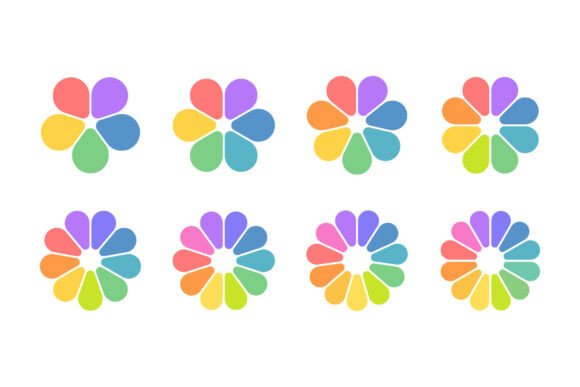
Flower Petal Circle Diagram: A Visual Tool for Organizing Ideas and Processes
The Flower Petal Circle Diagram is a visual tool that helps organize thoughts, ideas, and processes in a structured yet creative way. It resembles a flower with multiple petal-shaped sections radiating from a central point, making it an effective way to break down complex concepts into manageable parts. This diagram is particularly useful in workflows where clarity, organization, and creativity intersect.
Its design allows users to map out different aspects of a project, decision, or learning activity. Each petal can represent a distinct component, such as goals, resources, challenges, actions, and outcomes. The circular layout encourages a holistic view, ensuring that no part of the process is overlooked.
Where the Flower Petal Circle Diagram Fits in a Broader Process
The Flower Petal Circle Diagram is ideal for situations where planning, reflection, or evaluation is needed. It can be used at various stages of a project, including before, during, and after key activities. For instance, in a marketing campaign, the diagram can help outline objectives, target audience, content strategy, budget allocation, and performance metrics.
In a business context, it supports strategic thinking by breaking down decisions into actionable components. For educators, it can serve as a framework for lesson planning, ensuring that all elements—such as learning outcomes, materials, assessments, and student engagement—are considered. For entrepreneurs, it offers a way to structure business ideas, identify potential obstacles, and plan next steps.
This diagram also works well in personal development, helping individuals visualize goals, habits, and progress. Whether you're setting a fitness target, learning a new skill, or managing time effectively, the Flower Petal Circle Diagram provides a clear structure for tracking and refining your approach.
How to Use the Flower Petal Circle Diagram in Different Scenarios
Before starting a project, the Flower Petal Circle Diagram can help define the scope and set expectations. By outlining key elements such as purpose, stakeholders, timelines, and success criteria, it ensures that everyone involved has a shared understanding of the goal.
During execution, the diagram can act as a reference point, reminding team members of their roles and responsibilities. It also serves as a tool for monitoring progress, identifying gaps, and making adjustments as needed. For example, in a product development cycle, each petal could represent a stage—design, prototyping, testing, and launch—allowing for a systematic review of each phase.
After completing a task or project, the diagram can be used for evaluation. By reflecting on what worked, what didn’t, and what could be improved, teams can refine their processes and apply lessons learned to future efforts. This makes the Flower Petal Circle Diagram a valuable tool for continuous improvement.
Integration with Other Tools and Methods
The Flower Petal Circle Diagram complements other planning and visualization tools. It can be paired with mind maps, Gantt charts, SWOT analyses, and Kanban boards to create a more comprehensive workflow. For example, a mind map might generate initial ideas, while the Flower Petal Circle Diagram organizes those ideas into structured categories.
It also integrates well with digital platforms like Trello, Asana, and Notion. These tools allow users to create interactive versions of the diagram, making it easier to update, share, and collaborate. In a remote work environment, this can enhance communication and ensure that all team members are aligned with the project’s direction.
When working with cross-functional teams, the diagram can help bridge communication gaps. By providing a visual representation of the process, it ensures that everyone—from designers to developers to marketers—understands their role and how their work contributes to the overall objective.
Practical Implementation Tips
To get the most out of the Flower Petal Circle Diagram, start by identifying the core focus of your project or task. This will be the center of the diagram. Then, brainstorm the key elements that need to be addressed. Each element becomes a petal, and the number of petals can vary depending on the complexity of the task.
Use clear and concise labels for each petal. Avoid jargon or overly technical terms unless they’re necessary for the audience. Keep the diagram simple and easy to read, even if it includes detailed information. You can expand on each petal with notes, bullet points, or additional diagrams as needed.
Consider using color coding to differentiate between categories or highlight important elements. This not only improves readability but also makes the diagram more engaging. For instance, green could indicate progress, red could signal risks, and blue could represent resources.
Regularly review and update the diagram as the project evolves. This ensures that it remains relevant and continues to support the workflow. Encourage team members to contribute their insights, as collaboration often leads to better outcomes.
Workflow Examples and Observations
A common use case for the Flower Petal Circle Diagram is in content creation. A blogger or marketer might use it to outline a campaign, with each petal representing a different aspect such as topic selection, research, writing, editing, and promotion. This helps maintain focus and ensures that all necessary steps are completed.
In a customer service scenario, the diagram can be used to map out the customer journey. Each petal could represent a touchpoint, such as initial contact, issue resolution, follow-up, and feedback collection. This visual approach helps identify areas for improvement and enhances the overall customer experience.
For educational purposes, teachers can use the diagram to plan lessons, ensuring that each component—objectives, materials, activities, assessments, and reflections—is clearly defined. This promotes consistency and improves the quality of instruction.
One observation is that the Flower Petal Circle Diagram works best when used consistently. Regular practice helps users become more familiar with its structure and benefits. Over time, it becomes a natural part of the planning and decision-making process.
Factors to Consider for Long-Term Use
When incorporating the Flower Petal Circle Diagram into your workflow, consider factors such as preparation, compatibility, and usability. Prepare by understanding the specific needs of your project or task. Ensure that the diagram aligns with existing tools and processes to avoid confusion or redundancy.
Compatibility is important when using the diagram in digital environments. Choose formats that are widely supported, such as PNG or JPG, especially if sharing with others. Vector formats like AI or EPS are ideal for high-quality prints or scalable designs.
Usability should be a priority. The diagram should be intuitive and accessible to all users, regardless of their technical background. Provide training or guidance if necessary, and encourage feedback to improve the process over time.
Organization and efficiency are also key. Keep the diagram updated and relevant to avoid clutter. Maintain a consistent format across different projects to promote familiarity and ease of use.
Finally, focus on quality control by reviewing the diagram regularly and refining it as needed. This ensures that it remains a valuable resource for planning, execution, and evaluation.