Guide to Data Presentation: Transforming Numbers into Visual Stories
In today's data-driven world, the ability to present information clearly and effectively is more important than ever. Whether you're a business professional, a researcher, or a student, understanding how to communicate complex data in an engaging way can make all the difference. The Guide to Data Presentation serves as a comprehensive resource for anyone looking to enhance their data communication skills. This guide explores various techniques, tools, and strategies that help transform raw numbers into compelling visual narratives.
At its core, the Guide to Data Presentation addresses a fundamental challenge: how to make data not only understandable but also impactful. Many individuals struggle with interpreting large datasets or conveying key insights in a way that resonates with their audience. This guide provides practical solutions to these challenges by offering actionable advice on selecting the right visualization methods, structuring content for clarity, and leveraging design principles to enhance readability.
Understanding the Challenges of Data Presentation
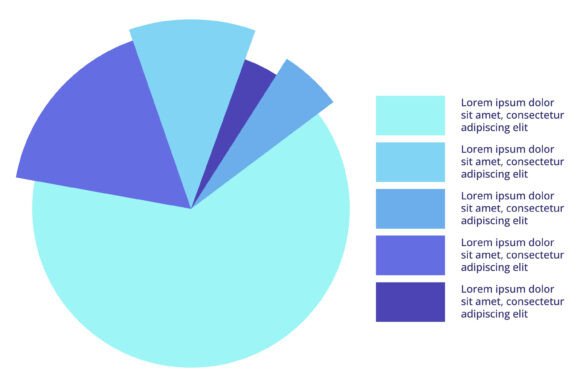
Data presentation is not just about displaying numbers; it's about telling a story. One of the primary challenges users face is determining which type of visualization best suits their data. For instance, a line chart may be ideal for showing trends over time, while a pie chart might be better suited for illustrating proportions. Without the right approach, even the most valuable data can become confusing or misleading.
Another common issue is the tendency to overload visuals with too much information. This can lead to cluttered charts that obscure the main message rather than highlight it. The Guide to Data Presentation emphasizes the importance of simplicity and focus, encouraging users to prioritize clarity over complexity. By doing so, they can ensure that their audience grasps the key points without getting lost in the details.
How the Guide Helps Address Key Needs
The Guide to Data Presentation is designed to meet the diverse needs of its readers. It offers a range of insights tailored to different scenarios, from academic research to business reporting. For example, a marketing analyst might use the guide to create more effective dashboards, while a teacher could apply its principles to make statistical concepts more accessible to students.
One of the standout features of the guide is its emphasis on user-centered design. It encourages readers to consider their audience's background, preferences, and level of expertise when choosing a presentation method. This approach ensures that the data is not only visually appealing but also relevant and meaningful to the people who need it most.
Practical Applications and Outcomes
Implementing the strategies outlined in the Guide to Data Presentation can lead to significant improvements in how data is communicated. For instance, using color effectively can draw attention to key findings, while consistent formatting helps maintain a professional appearance across multiple reports. These small but powerful adjustments can greatly enhance the overall impact of a presentation.
Consider a scenario where a company uses the guide to improve its internal reporting. By adopting clear visualizations and structured layouts, employees can quickly identify trends, make informed decisions, and share insights with stakeholders. This not only saves time but also fosters a culture of data-driven thinking within the organization.
Examples and Recommendations
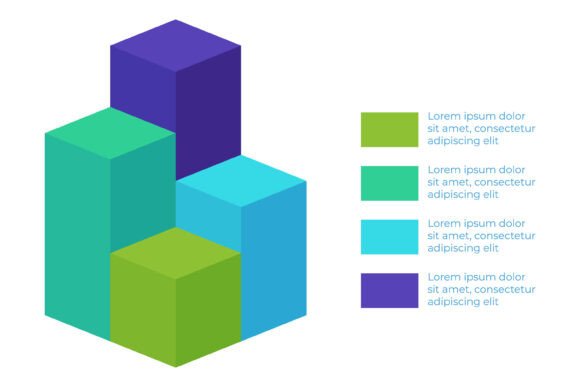
The Guide to Data Presentation includes numerous examples that illustrate how different visualization techniques can be applied in real-world situations. For instance, it demonstrates how bar charts can be used to compare sales figures across regions, or how heat maps can reveal patterns in customer behavior. These examples serve as practical references for users looking to apply similar methods in their own work.
Additionally, the guide recommends several tools that can streamline the data presentation process. From free software like Google Charts to advanced platforms like Tableau, there are options available for every skill level and budget. Choosing the right tool often depends on the specific needs of the project, and the guide provides guidance on making these decisions effectively.
Considering Different Approaches
It's important to recognize that the way individuals approach data presentation can vary based on their goals and resources. A seasoned data scientist may have a deep understanding of advanced visualization techniques, while a beginner might benefit more from simple, step-by-step instructions. The Guide to Data Presentation acknowledges this diversity and offers adaptable strategies that cater to a wide range of users.
For those new to the field, the guide suggests starting with basic principles such as labeling axes, using appropriate scales, and avoiding unnecessary embellishments. As users gain confidence, they can explore more sophisticated methods, such as interactive dashboards or animated visualizations. This gradual progression allows for continuous learning and improvement.
Conclusion: Making Data Speak Volumes
Ultimately, the Guide to Data Presentation is more than just a collection of tips and tricks—it's a roadmap for turning data into meaningful insights. By focusing on clarity, relevance, and engagement, it empowers users to communicate their findings with confidence and precision. Whether you're presenting to colleagues, clients, or a broader audience, the principles outlined in this guide can help you create visualizations that not only inform but also inspire.
As you explore the Guide to Data Presentation, remember that the goal is not just to display data, but to tell a story that resonates. With the right tools and techniques, your data can speak volumes and make a lasting impact.