Steps to Follow for Effective Planning
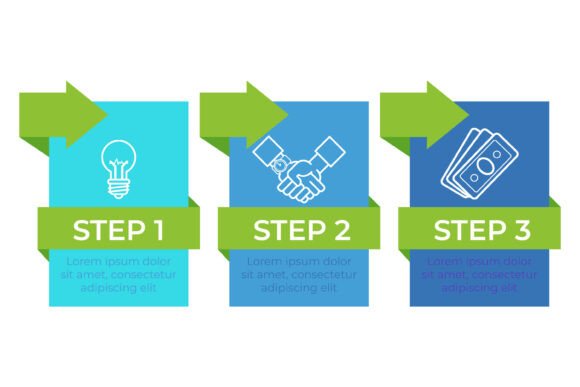
Planning is the backbone of success, whether you're launching a business, organizing an event, or setting personal goals. But how do you ensure your planning efforts are effective? The answer lies in following a structured approach that simplifies complexity and builds clarity. This guide outlines three essential steps for effective planning—each designed to help you achieve your objectives with confidence and precision.
Step 1: Define Your Goals Clearly
The first step in any successful plan is to understand what you want to achieve. Without clear goals, your efforts can easily become scattered or misaligned. Take time to articulate your objectives using the SMART criteria—Specific, Measurable, Achievable, Relevant, and Time-bound. This ensures your goals are not just ideas but actionable targets.
For example, instead of saying “I want to improve my marketing,” define it as “Increase website traffic by 30% within six months through targeted social media campaigns.” This level of specificity makes it easier to measure progress and stay focused.
Whether you're a small business owner, a teacher, or a freelancer, defining your goals upfront helps you prioritize tasks, allocate resources, and avoid distractions. It also sets the stage for the next steps in your planning process.
Step 2: Break Down the Process into Manageable Tasks
Once your goals are clear, the next step is to break them down into smaller, manageable tasks. This makes the overall process less overwhelming and more achievable. Think of it as mapping out a journey—each task is a step along the way, leading you closer to your destination.
Consider using tools like Gantt charts, to-do lists, or project management software to organize these tasks. For instance, if your goal is to launch a new product, your tasks might include conducting market research, designing a prototype, securing funding, and creating a marketing strategy. Each of these can be further divided into daily or weekly actions.
This step is especially useful in professional settings where multiple people are involved. By outlining responsibilities and deadlines, you ensure everyone is on the same page and working toward the same outcome. It also helps in identifying potential roadblocks early on, allowing for timely adjustments.
How This Applies Across Different Areas
The principles of breaking down tasks apply universally. A student preparing for exams might divide their study schedule into subjects and topics, while a creative professional could structure their project timeline around concept development, design, and client feedback. In each case, the goal is to maintain momentum and avoid burnout.
For entrepreneurs, this step is crucial when scaling a business. It allows them to focus on one aspect at a time, such as customer acquisition, product development, or team expansion. By prioritizing tasks based on urgency and impact, they can make informed decisions and stay agile in a fast-paced environment.
Step 3: Monitor Progress and Adjust as Needed
Effective planning doesn’t end once you’ve set your goals and outlined your tasks. It requires continuous monitoring and flexibility. Regularly reviewing your progress helps you identify what’s working and what needs improvement. This step ensures you stay on track and can adapt to changing circumstances without losing sight of your ultimate objective.
Use metrics and feedback loops to evaluate your performance. For example, if you’re running an online campaign, track key performance indicators (KPIs) like click-through rates, conversion rates, and engagement levels. If certain strategies aren’t yielding results, don’t hesitate to pivot and try something new.
This adaptability is particularly valuable in digital marketing, where trends and algorithms change frequently. Staying responsive allows you to maintain relevance and maximize your return on investment. Similarly, in educational settings, teachers can adjust lesson plans based on student performance, ensuring that learning remains effective and engaging.
Why This Step Matters
Monitoring progress isn’t just about checking off tasks—it’s about maintaining control over your outcomes. It empowers you to take ownership of your planning process and make data-driven decisions. This level of awareness can prevent last-minute surprises and reduce stress, making the entire experience more efficient and rewarding.
Moreover, it fosters a culture of accountability. Whether you’re working alone or with a team, regular check-ins and updates help keep everyone motivated and aligned. It also provides opportunities for celebration—recognizing small wins along the way can boost morale and encourage continued effort.
Putting It All Together
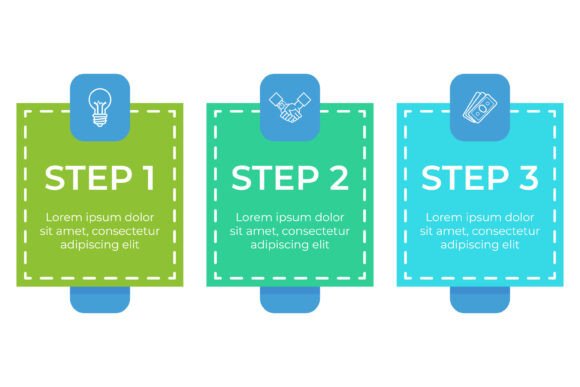
By following these three essential steps—defining clear goals, breaking down tasks, and monitoring progress—you create a roadmap that guides you from planning to execution. This approach is not only practical but also adaptable, making it suitable for a wide range of scenarios.
Imagine a local business owner using these steps to launch a new service. They start by setting a clear objective, like increasing customer retention by 20% within a year. Then, they outline specific actions, such as improving customer support, offering loyalty programs, and analyzing feedback. Finally, they track their results and refine their strategies based on real-time data. This method ensures they stay focused, efficient, and responsive to their audience’s needs.
For educators, the same principles apply. A teacher might use these steps to design a curriculum that meets learning standards, organizes lessons into logical sequences, and evaluates student performance to adjust teaching methods. The result is a more structured and effective learning experience for students.
Final Thoughts
Effective planning is more than just a process—it’s a mindset. It requires intention, discipline, and a willingness to adapt. By embracing the three essential steps outlined here, you can transform your planning efforts into meaningful action. Whether you're aiming for personal growth, professional success, or creative fulfillment, these steps provide a solid foundation to build upon.
Remember, the key to successful planning lies in consistency and clarity. Keep refining your approach, stay open to feedback, and let your goals guide your every move. With the right strategy, you’ll find that achieving your objectives is not only possible but also enjoyable. Start today, and make every step count.